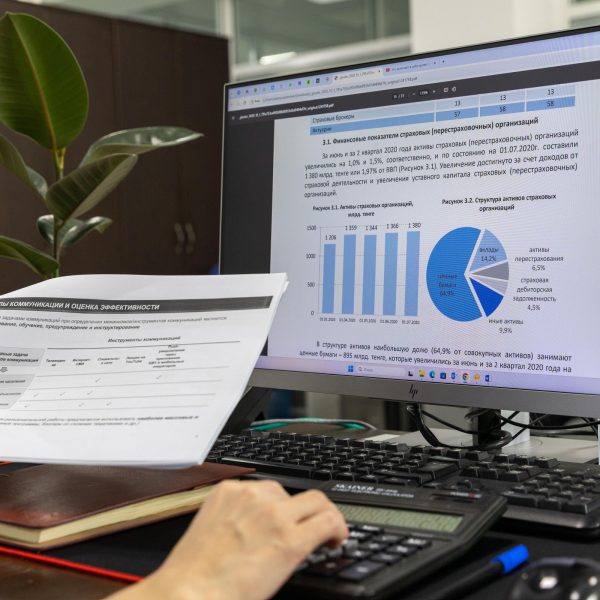
An engineering team in Novosibirsk finishes a 400 page equipment manual and immediately faces the same bottleneck every project faces near the deadline. Someone still has to track every revision proofread every callout and keep three language versions synchronized while the shipping date does not move an inch.
Documentation Teams Are Drowning In Repetitive Work
Technical writers rarely spend their time writing new content. Most of the week goes to reformatting tables chasing down outdated screenshots and reconciling terminology across documents written years apart by different authors who never spoke to each other. That work matters yet it eats the hours that should go toward reviewing actual engineering accuracy.
Teams supporting Russian industrial exports feel this pressure even harder because every document also needs a translation pass and a technical review pass before it can ship. Add a certification requirement on top and a single manual can pass through five separate reviewers before anyone signs off on the final version.
Where Automation Actually Helps
Modern platforms now handle the repetitive layer of documentation work that used to consume entire afternoons. Version tracking terminology consistency checks and first pass formatting can run automatically while a human reviewer focuses purely on judgment calls that actually require engineering expertise. Teams exploring ai automation tools report that the biggest gains come from removing the tedious middle step between a rough draft and a document ready for expert review.
That shift matters most for manufacturers juggling multiple export markets at once. A hydraulic press manual bound for Russia and a nearly identical version bound for a domestic buyer no longer need two entirely separate manual editing passes when a shared terminology base handles the repetitive matching automatically in the background.
Automation Still Needs A Human Backstop
No automated system understands GOST safety codes the way an engineer who has spent a career reading them does. Automation catches inconsistency and repetition. It does not catch a torque value that was correct in the source document but wrong in context once a part number changed during a late design revision.
Manufacturers who lean entirely on automation without a technical reviewer eventually ship a document that reads clean and still contains a dangerous error. The safest workflow treats automation as the first filter and a qualified reviewer as the final signature before anything leaves the building.
The Same Discipline Applies To Commercial Paperwork
Documentation problems are not limited to engineering manuals. Export shipments generate invoices packing lists and customs declarations that must match exactly across every language version involved in the transaction. A mismatched figure between an invoice and a shipping manifest can hold a container at a border for weeks while paperwork gets corrected and resubmitted.
Manufacturers who have been burned by this once often move their invoicing to a dedicated system rather than reformatting spreadsheets by hand for every shipment. Teams that pair a reliable turkish translation company for the language side with structured invoicing tools tend to clear customs faster with fewer rejected documents overall.
What A Modern Documentation Pipeline Looks Like
A well built pipeline starts with a single source file that feeds every downstream document. Engineering content stays locked while translation and formatting layers update automatically as revisions come in. A human reviewer checks the final output against the original specification before anything gets stamped as certified and ready to ship.
That structure sounds obvious described in a paragraph. Very few manufacturing teams actually build it because nobody owns the responsibility until a shipment gets rejected and someone finally asks why the process still runs on shared spreadsheets and email attachments passed between five different people.
Automation speeds up documentation by removing the copying and reformatting that consumed most of the schedule. Back-office functions offer the same kind of easy win. Firms combining automation with selective hr outsourcing tend to keep headcount flat while the business grows.
AI automation speeds up technical documentation chiefly by keeping terminology consistent across hundreds of pages. That consistency is also what buyers are really paying for when they commission seo copywriting services at scale. A coherent vocabulary reads as expertise.
Getting Started Without Overhauling Everything At Once
Teams do not need to rebuild an entire documentation system in one attempt. Starting with the most repetitive task such as terminology consistency checking already frees up meaningful reviewer time within the first month. Expanding from there once the team trusts the automated layer tends to work far better than attempting a full replacement on day one.
Automation speeds technical documentation because the language is controlled and repetitive. Legal drafting is the opposite: it is deliberately precise, jurisdiction-bound and full of terms with no clean equivalent. That is why legal document translation remains one of the least automatable categories in the industry.
Manufacturers exporting technical equipment into Russian speaking markets face enough genuine complexity in certification and language requirements already. Removing the repetitive layer through smart tooling lets engineers spend their limited time on the part of the job that actually needs an expert and nothing less.
Measuring Whether The Change Is Actually Working
Teams that adopt new tooling without tracking results often cannot tell whether anything improved months later. A simple measurement plan solves that problem before it starts. Track how many revision cycles a typical manual goes through before final sign off. Track how many documents get rejected at customs before and after the change takes effect.
Those two numbers tell a manufacturer more about real progress than any vendor demo ever will. A drop in revision cycles means reviewers are catching fewer avoidable errors because the automated layer already handled the repetitive checking. A drop in customs rejections means the certification and formatting pipeline finally matches what receiving countries actually expect from imported equipment paperwork.
Common Mistakes During The Transition Period
The most common mistake is removing human review too early because the automated output looks polished on the surface. Polished formatting says nothing about whether a torque value survived a late design change correctly. Reviewers need to stay in the loop until a team has months of evidence that the automated layer catches what it claims to catch consistently.
A second common mistake is treating every document the same way regardless of risk level. A marketing brochure and a safety critical operating manual do not need the same review intensity. Teams that calibrate review depth to actual risk get the speed benefits of automation without exposing themselves to the kind of error that ends up on a factory floor instead of in a revision log.
Manufacturers who get this balance right rarely announce it publicly. There is no press release for a shipment that cleared customs on the first try or a manual that shipped without a single revision cycle. The evidence shows up quietly in fewer late night calls from a plant manager and a documentation team that finally goes home on time.